GEO & AI Search
GEO Explained in Plain English: What It Is and Why It Matters
Want the complete picture?
Watch the 16-minute video guide and read the deep-dive companion post with data tables, platform comparisons, and actionable prompts.
Quick Answer
GEO (Generative Engine Optimization) is the practice of optimizing your content so AI tools like ChatGPT, Perplexity, and Claude cite and recommend your website. It's like SEO, but for AI chatbots instead of Google's search results.
You've heard of SEO. You probably know the basics: keywords, backlinks, ranking on Google.
Now there's a new term: GEO.
And unlike most marketing buzzwords, this one actually matters.
Let me explain what GEO is without the jargon, hype, or sales pitch.
What Is GEO? (The Simple Version)
Definition
Generative Engine
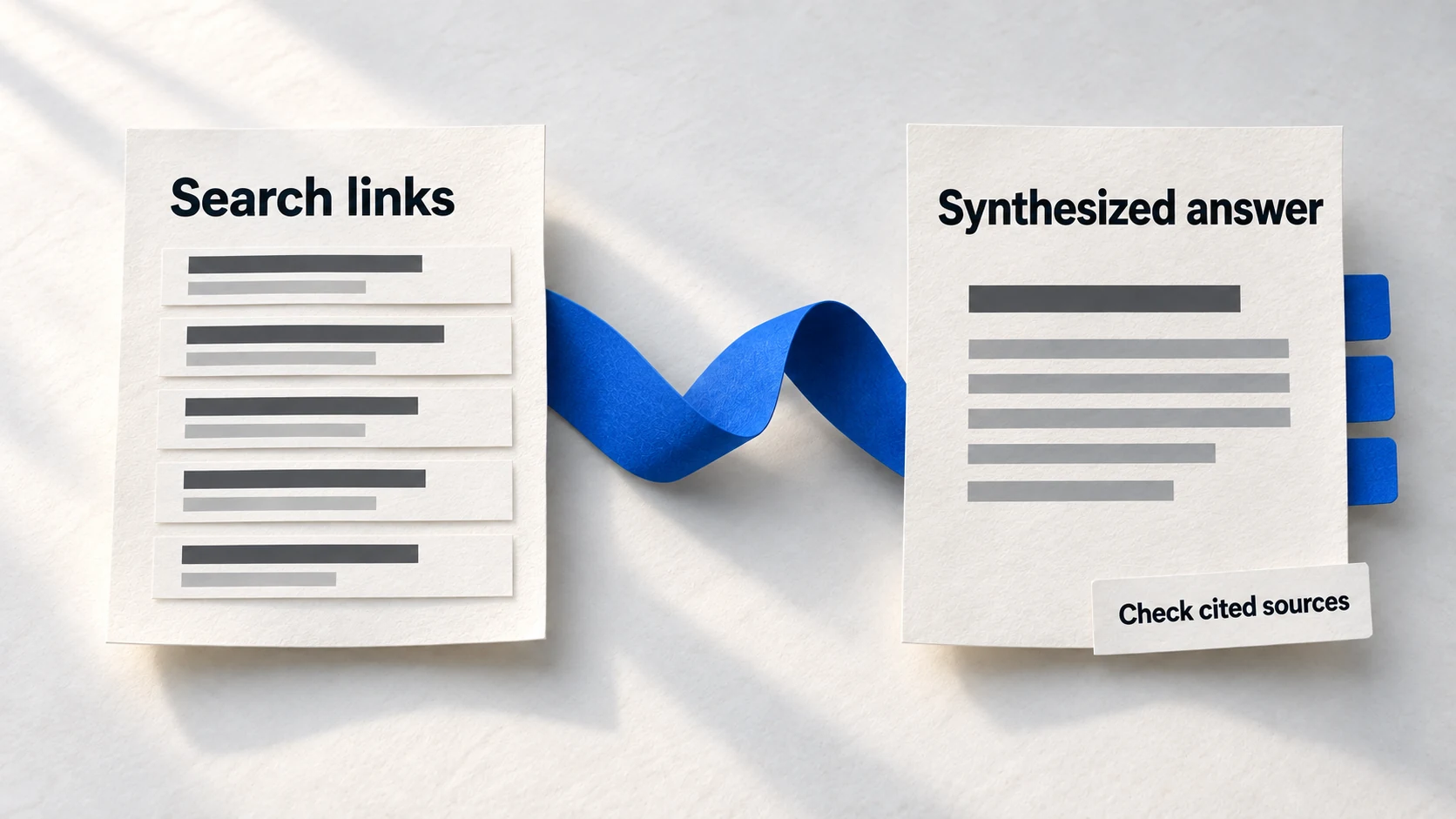
A generative engine is an AI system that creates original answers by synthesizing information from multiple sources, rather than just showing links to websites. Examples: ChatGPT, Perplexity, Claude, Google Gemini, Microsoft Copilot. These engines generate custom responses tailored to each user's specific question, fundamentally changing how people discover information online.
GEO stands for Generative Engine Optimization.
Here's what that means in plain English:
GEO is the practice of making your content visible to AI tools like ChatGPT, Perplexity, Claude, and Gemini, so they cite you when users ask questions.
That's it. No mystery.
When someone asks ChatGPT "What's the best project management tool for small teams?", GEO is what determines whether your software gets mentioned.
When a potential customer asks Perplexity "Who are the top marketing agencies in Dallas?", GEO is what determines whether your agency appears in the answer.
SEO Goal
"When someone searches Google, I want to appear in the results."
GEO Goal
"When someone asks an AI tool, I want to be recommended."
Why Should You Care About GEO?
Because people are changing how they find information.
For 25 years, the answer to "how do I find something online?" was Google. Type a query, click a blue link, visit a website.
That's changing:
100M+
weekly ChatGPT users
and growing
If AI tools don't know about your business, a growing segment of your potential customers will never find you.
This isn't about replacing SEO. It's about adding another channel where your audience is spending time.
How Does GEO Actually Work?
When you ask ChatGPT a question, it doesn't just make up an answer. It has knowledge from:
- 1. Training data: Information from the web that was used to train the AI
- 2. Real-time browsing: Some AI tools (like ChatGPT with browsing, Perplexity) search the web live
- 3. Search indices: ChatGPT uses Bing's index; Perplexity uses multiple sources
How AI Tools Find and Cite Content
- 1
User Asks Question
Someone asks ChatGPT about your topic
- 2
AI Searches Sources
Checks training data and/or live web
- 3
Evaluates Authority
Which sources are credible?
- 4
Generates Answer
Synthesizes info, cites sources
GEO is about optimizing for steps 2-4:
- • Making sure AI can find your content
- • Making AI recognize you as authoritative
- • Structuring content so AI can extract and cite it
What GEO Success Looks Like
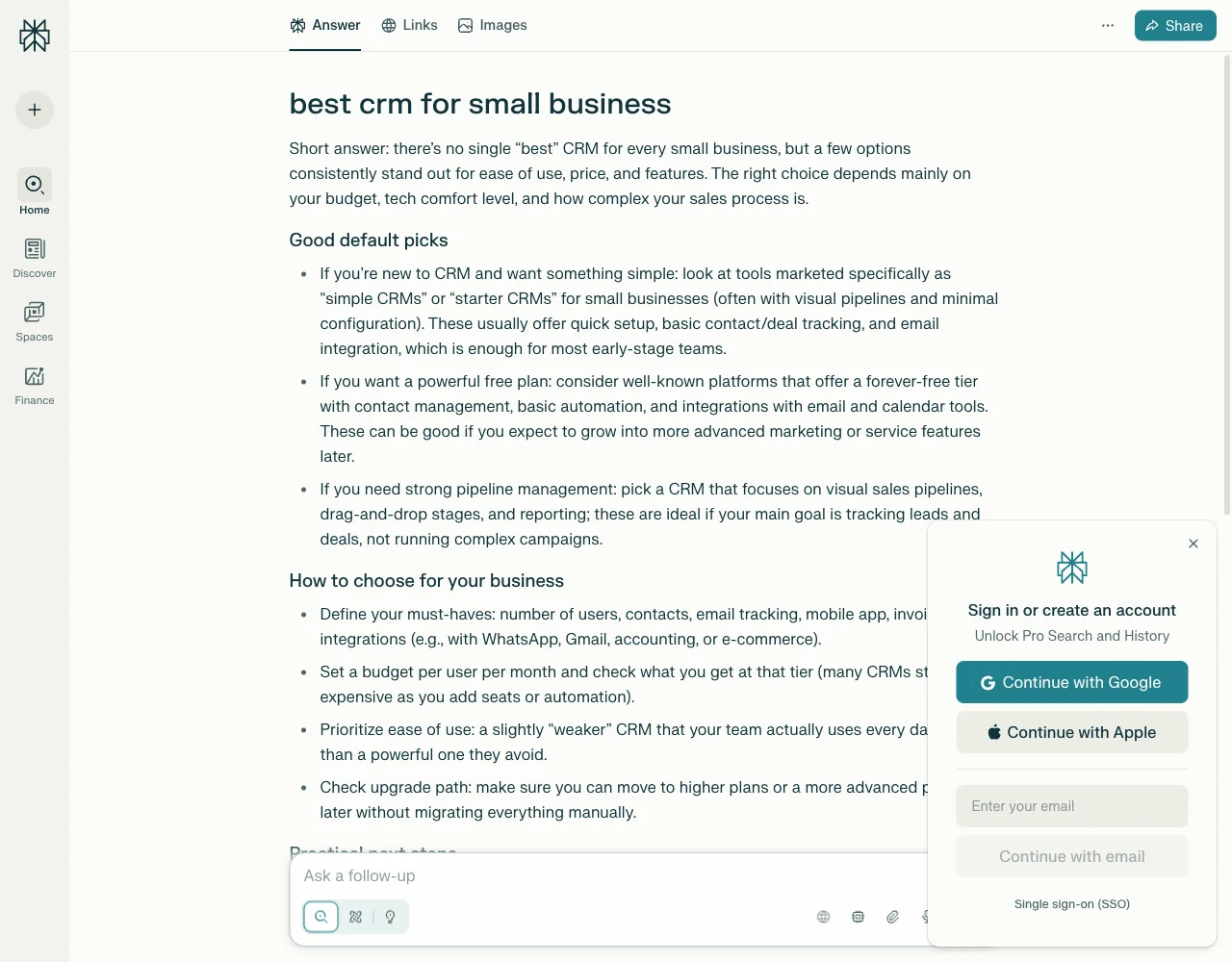
Here's a real example of what happens when someone asks an AI tool a question. Notice the inline citations linking to sources:
GEO vs SEO: What's Different?
GEO and SEO share about 60% overlap. Both care about:
Shared priorities:
- ✓ Quality content
- ✓ Authority and credibility
- ✓ Clear, structured information
- ✓ Technical accessibility
But there are key differences:
SEO focuses on ranking position
Getting from position #10 to #1 for a keyword.
GEO focuses on being cited
Being mentioned when AI answers a question about your topic.
SEO optimizes for algorithms
Backlinks, keywords, technical signals that Google's algorithm weighs.
GEO optimizes for AI understanding
Entity recognition, semantic clarity, machine-readable structure.
Bottom line: If you're good at SEO, you have a head start on GEO. But GEO requires some new tactics focused specifically on AI visibility.
5 Simple Ways to Start With GEO
Tactic #1
Answer Questions Directly
AI tools look for direct answers. Don't bury your key insight in paragraph 5.
Do this: Start articles with a clear answer in the first 2-3 sentences. (Like the "Quick Answer" box at the top of this post.)
Tactic #2
Establish Your Entity
AI needs to know who you are before trusting what you say. This is where your entity home becomes critical.
Do this: Create a comprehensive About page with your credentials, experience, and links to your profiles on other platforms.
Tactic #3
Use Clear Structure
AI parses structured content more easily than walls of text.
Do this: Use clear headings (H2, H3), bullet lists, numbered steps, and tables where appropriate.
Tactic #4
Cite Your Sources
Credible sources signal trustworthiness to AI - it's a core part of E-E-A-T for AI.
Do this: Link to authoritative research, data, and expert sources. Don't make claims without backing them up.
Tactic #5
Build Third-Party Mentions
AI trusts brands that are mentioned across multiple credible sources.
Do this: Get featured in industry publications, podcasts, and authoritative lists. The more places AI sees your name, the more it trusts you.
FAQ
What is GEO in simple terms?
Why does GEO matter?
Is GEO different from SEO?
Want to Go Deeper Into GEO?
This post covers the basics. For the complete picture of how AI search is changing everything-and how to optimize for it-take the GEO Readiness Quiz.
I've built a system to help brands go from invisible to cited in AI responses. But before I share it with you, I want you to see exactly where you stand.
Take the GEO Readiness Quiz →60 seconds · Personalized report · Free
Continue Learning
Dive deeper into AI search with these related articles:
GEO vs AEO vs SEO: The Complete Guide to AI Search Optimization
Confused by GEO, AEO, and SEO? This guide explains the differences, when to use each, and how they work together. No jargon, just clarity.
AEO vs GEO: When to Use Each Strategy
Learn when Answer Engine Optimization (AEO) makes more sense than GEO, and when to combine both strategies.
Is GEO Just Rebranded SEO? The Real Differences
Skeptics say GEO is just SEO with a new name. The data tells a different story. Discover the 5 concrete differences.