GEO Fundamentals
HowTo Schema: Capturing Step-by-Step Search Intent
Quick Answer
HowTo schema is structured data that marks up instructional content for AI engines. It identifies step-by-step processes, making it easier for ChatGPT, Perplexity, and Google AI Overviews to extract and cite your tutorials. Content with HowTo schema appears in AI snippet results 35% more often because AI systems can parse the steps, understand the sequence, and present your instructions as actionable guidance.
You write a comprehensive tutorial. Every step is clear. Every detail is explained. You optimize for keywords, add images, structure the headings perfectly. It ranks on Google's first page. But when someone asks ChatGPT or Perplexity how to do the same task, your tutorial is nowhere in the answer.
The problem is not your content quality. The problem is that AI engines cannot easily extract your steps. They see paragraphs of text, not structured instructions. They understand the topic, but they cannot confidently present your method as a step-by-step guide.
HowTo schema solves this. It transforms instructional content from prose into machine-readable steps, making your tutorials quotable, extractable, and citable by AI systems.
What Is HowTo Schema?
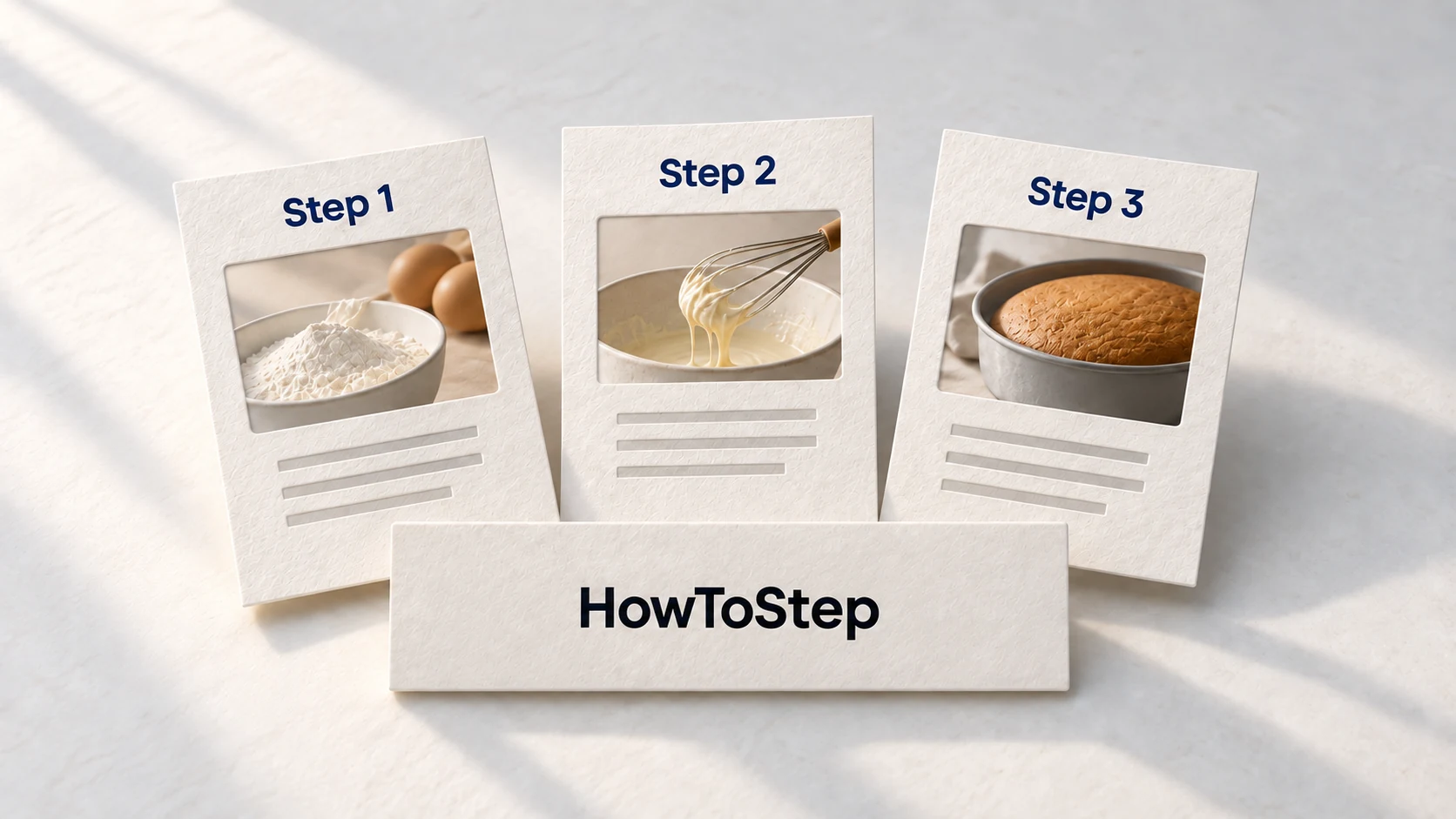
HowTo schema is a type of structured data that marks up instructional content. It tells AI engines: "This is a tutorial. Here are the exact steps. Here is the sequence. Here is what the user needs to do."
Think of it this way: Without HowTo schema, your tutorial is like verbal instructions given over the phone-the information is there, but the listener has to reconstruct the steps themselves. With HowTo schema, your tutorial is like a numbered checklist-each step is clearly defined, nothing is ambiguous, and AI can confidently repeat your instructions without interpretation.
When you implement HowTo schema, you define properties like the name of the task, the estimated time to complete it, the required tools or supplies, and each individual step with its own description and optional image. AI engines read this structure and understand exactly what your content teaches.
This matters because AI platforms are processing millions of instructional queries every day. When they need to explain how to change a tire, optimize a website, or bake sourdough bread, they prioritize content that presents steps clearly. Structured data's role in AI search visibility has become critical because it reduces the cognitive load for AI systems interpreting content.
Why AI Engines Love HowTo Schema
AI engines are designed to provide direct, confident answers. When someone asks "How do I install WordPress on a VPS?" the AI wants to give step-by-step instructions without hedging or ambiguity. But most web content is written in paragraphs, not structured steps.
35%
Higher snippet inclusion
Content with HowTo schema
Source: Search Engine Land
574
Question schema occurrences
In AI-cited websites
Source: Spotlight Study
571
Answer schema occurrences
In AI-cited websites
Source: Spotlight Study
These numbers tell a clear story. Research analyzing content traits that AI engines quote most often found that structured answer formats-including HowTo, FAQ, and Question-Answer pairs-dramatically increase citation rates. AI systems prefer content they can confidently extract and present without reinterpretation.
Reason 1
Zero Interpretation Required
When AI reads HowTo schema, it does not have to parse paragraphs, infer sequence, or guess which sentences represent steps. The structure explicitly defines "Step 1," "Step 2," and so on. This eliminates ambiguity.
Without schema, an AI might read "First, gather your materials. You will need flour, water, and yeast. Next, mix the ingredients" and have to determine that gathering materials is Step 1 and mixing is Step 2. With HowTo schema, you explicitly label each action, removing guesswork.
AI confidence increases when the content structure matches how AI systems process information-sequential, labeled, and unambiguous.
Reason 2
Contextual Metadata
HowTo schema includes metadata that AI systems value: total time required, difficulty level, required tools, and estimated cost. These contextual signals help AI decide whether your tutorial fits the user's query.
If someone asks for "a quick way to clean a laptop keyboard," AI can see your HowTo schema indicates "5 minutes" and prioritize your tutorial over one that takes 30 minutes. This relevance matching happens before the AI even reads your content deeply.
Reason 3
Image Associations
Each step in HowTo schema can include an associated image. This is powerful for AI systems that generate multi-modal responses or provide visual context. Empirical analysis of 5,499 AI-cited websites found that ImageObject schema appeared in 1,500+ occurrences-nearly every cited website included structured image data.
When your HowTo steps include images, AI knows exactly which visual corresponds to which instruction, making your content more useful for platforms that surface images alongside text answers.
When to Use HowTo Schema
Not every piece of content needs HowTo schema. The schema is designed for instructional content where the reader follows a sequence of actions to achieve a specific outcome.
Ideal Content Types
1. Tutorials: "How to install SSL certificate on Nginx"
2. DIY Guides: "How to build a backyard fire pit"
3. Recipes: "How to make French onion soup"
4. Technical Instructions: "How to configure Google Analytics 4"
5. Troubleshooting: "How to fix WordPress white screen of death"
Content where the user follows steps in sequence
Wrong Use Cases
1. Concept Explanations: "What is quantum computing?"
2. Opinion Pieces: "Why remote work is the future"
3. News Articles: "New AI regulations announced"
4. Case Studies: "How Company X increased revenue"
5. Comparisons: "WordPress vs Squarespace"
Content without actionable step sequences
The key question to ask: "Will the reader do these actions in this specific order?" If yes, HowTo schema fits. If the content is explanatory, comparative, or conceptual, use Article schema instead.
The Anatomy of HowTo Markup
HowTo schema follows a specific structure. Here is what AI engines expect to see:
Required Properties
Title of the HowTo
"How to Change a Flat Tire" or "How to Optimize Images for Web"
Array of HowToStep objects
Each step includes text, position in sequence, and optional image/video
Recommended Properties
Duration in ISO 8601 format
"PT20M" for 20 minutes, "PT1H30M" for 1 hour 30 minutes
Required tools or supplies
Screwdriver, flour, laptop, WordPress access, etc.
Consumable materials needed
Paint, ingredients, cleaning solution, etc.
Cost range or currency value
"$50-$100" or specific currency object
The more properties you include, the more context AI engines have. If your tutorial takes 20 minutes and requires three specific tools, including that information helps AI match your content to queries that specify time or tool availability.
Implementation Guide
The complete guide to schema markup for AI search optimization recommends JSON-LD format because it is easier to implement, does not interfere with HTML structure, and is explicitly preferred by Google and most AI platforms.
Identify Instructional Content
Review your website for tutorials, guides, how-tos, and DIY content. Look for pages where the primary purpose is teaching the reader how to complete a task.
Prioritize high-traffic tutorials or content that ranks well but is not getting AI citations. These pages have the most to gain from schema implementation.
Generate Schema Using AI
Copy your tutorial content and paste it into ChatGPT or Claude with this prompt:
The AI will generate properly formatted JSON-LD code. Review it to ensure steps are correctly identified and sequenced.
Add to Your Page
Insert the JSON-LD code inside a <script type="application/ld+json"> tag in your HTML <head> or just before the closing </body> tag.
If you use WordPress, plugins like Rank Math or Yoast SEO allow you to add JSON-LD schema without touching code. Paste the generated schema into the plugin's custom schema field.
Test with Google's Tools
Go to Google Rich Results Test and paste your page URL or the HTML code. Google will validate the schema and show any errors.
Common errors include missing required properties, incorrect date formats, or mismatched step positions. Fix errors before publishing.
Common Mistakes That Kill Your Visibility
Schema Does Not Match Visible Content
Google and AI platforms require that schema reflects content users can actually see on the page. If your HowTo schema lists 10 steps but your article only shows 8, the schema is invalid.
Steps Are Too Vague
Each step should be specific and actionable. "Prepare the materials" is too vague. "Gather flour, water, yeast, and a large mixing bowl" is clear. AI systems prefer precision.
Using HowTo for Non-Instructional Content
If your content explains a concept rather than teaching a process, HowTo schema is wrong. "What is SEO?" should use Article schema, not HowTo. Misusing schema types confuses AI engines.
Incorrect Time Format
totalTime must use ISO 8601 duration format. "30 minutes" is invalid. "PT30M" is correct. Use duration calculators or AI to convert human-readable time to ISO 8601.
These mistakes are common but easily avoided. Run your schema through validation tools, ensure every property matches visible content, and test with multiple AI platforms to confirm proper interpretation.
Testing and Validation
Implementation is half the work. Validation ensures AI engines can read your schema correctly.
Validation Checklist
Google Rich Results Test: No errors or warnings
Schema.org Validator: Confirms proper JSON-LD syntax
View Page Source: Schema appears in <head> or before </body>
AI Citation Test: Ask ChatGPT or Perplexity about your topic, check if you appear
Mobile Check: Schema loads correctly on mobile devices
After implementing HowTo schema, wait 2-4 weeks for AI platforms to re-crawl your content. Test visibility by asking AI engines questions your tutorial answers. If your content appears in citations or suggested sources, the schema is working.
Track changes over time. Use tools like AI search visibility monitoring platforms to measure how often your tutorials appear in AI-generated answers. Schema implementation is not one-and-done-monitor performance and refine based on results.
Definition
HowTo Schema
Structured data markup that identifies instructional content with sequential steps, transforming tutorials into machine-readable guides that AI platforms can confidently extract and cite. Includes properties for name, totalTime, tool, supply, and step-by-step instructions.
FAQ
What's the difference between HowTo schema and FAQ schema?
Does HowTo schema still get rich results in Google?
Can I use HowTo schema for listicles or tip articles?
How many steps can HowTo schema include?
Ready to Make Your Tutorials AI-Quotable?
HowTo schema transforms instructional content into step-by-step guides AI can extract and cite.
Learn to structure tutorials that ChatGPT, Perplexity, and AI Overviews confidently recommend to users.
Take the GEO Readiness Quiz →60 seconds · Personalized report · Free
Continue Learning
Dive deeper into AI search with these related articles:
The Complete Schema Markup Guide for GEO
Master schema markup for AI visibility. Essential types, implementation strategy, and common mistakes.
FAQPage Schema: Your Secret Weapon for AI Visibility
Pages with FAQ schema are 3.2x more likely to appear in AI Overviews. Learn the implementation strategy that maximizes AI citation potential.
Answer-First Writing: How to Structure Content AI Wants to Cite
72.4% of AI-cited blog posts use answer capsules. Learn the answer-first writing structure.