GEO & AI Search
What the SEO Industry Got Wrong About AI Search
Quick Answer
The SEO industry made three critical mistakes: underestimating adoption speed, clinging to the "just a fad" narrative, and believing traditional SEO tactics would transfer unchanged. This denial cost many businesses 12-18 months of preparation time they can't get back.
When ChatGPT launched in November 2022, the SEO industry had a predictable reaction.
"It's just hype."
"It makes things up."
"Google will always dominate search."
Two years later, those same professionals are scrambling to explain traffic drops they didn't see coming.
Here's what the conventional wisdom got wrong-and why understanding these mistakes is essential for adapting your strategy.
Mistake #1: "AI Search Is Just a Fad" (The Denial Phase)
What They Said
- • "Remember Google Wave?"
- • "Voice search was supposed to replace typing too"
- • "Users will always want to click links"
- • "This is just another hype cycle"
What Actually Happened
- • ChatGPT hit 100M users in 2 months
- • Google rushed AI Overviews into production
- • Perplexity reached $9B valuation
- • Organic traffic declined industry-wide
The pattern is familiar: Every major technology shift faces initial denial. Social media would "never replace email." Mobile would "never replace desktop." Video would "never replace text."
The SEO industry repeated this pattern with AI search. The difference? AI adoption happened faster than any previous technology shift in history.
The lesson: When a technology achieves 100 million users in 60 days, it's not a fad. It's a fundamental behavior shift.
Mistake #2: "It's Not Accurate Enough" (The Dismissal)
Early AI chatbots made mistakes. They "hallucinated" facts. They gave confidently wrong answers.
SEO professionals pointed to these flaws as evidence that AI search couldn't compete with Google's reliable results.
What they missed:
- 1. AI accuracy improved exponentially (GPT-4 vs GPT-3.5 was a massive leap)
- 2. Users adapted their expectations-they learned to verify
- 3. Google's traditional results weren't as "accurate" as assumed (SEO spam, outdated content)
- 4. Convenience trumped perfection-"good enough, faster" won
Today, ChatGPT with web browsing provides real-time, cited information. Perplexity links every claim to sources. Google's own AI Overviews synthesize authoritative content.
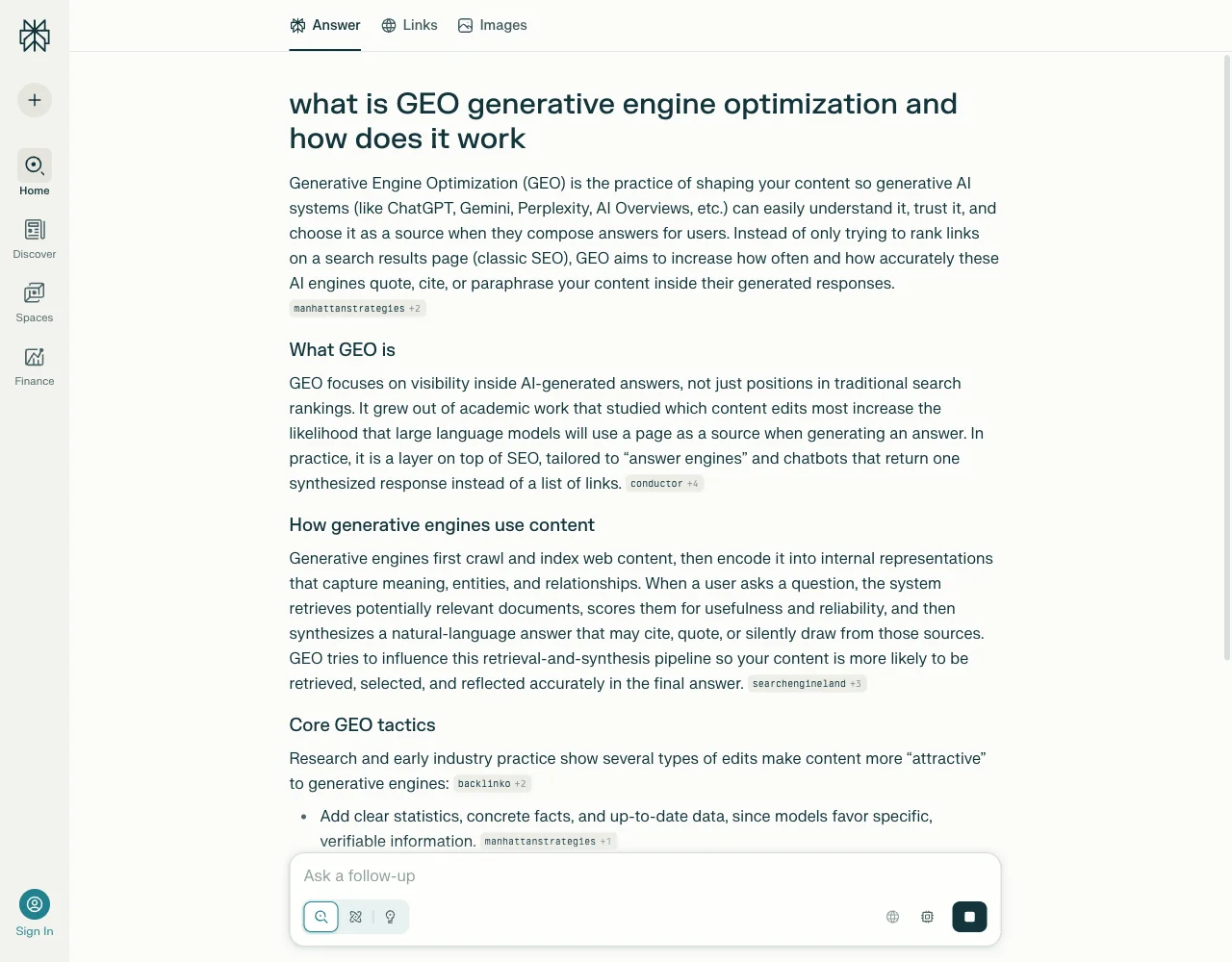
The accuracy gap closed while SEO professionals were still citing 2022 examples.
Mistake #3: "SEO Skills Will Transfer Directly" (The Assumption)
When AI search became undeniable, many SEO professionals assumed they were already prepared.
"I know how to optimize for Google's algorithm. AI is just another algorithm."
This assumption was partially right-and dangerously wrong. (Read our detailed breakdown of which skills transfer and which don't.)
What Transfers (60%)
- • Quality content fundamentals
- • Keyword/topic research
- • Technical site health
- • E-E-A-T principles
- • Link building basics
What's Different (40%)
- • Entity establishment priority
- • Answer-first content structure
- • Citation optimization (vs ranking)
- • Real-time competitive dynamics
- • Multi-platform optimization
The 40% that's different is enough to make traditional SEO tactics insufficient. You can rank #1 on Google and still not get cited by ChatGPT. You can have perfect technical SEO and be invisible in AI Overviews.
The lesson: SEO experience is valuable, but it's not automatically sufficient. The 40% delta requires deliberate new learning.
SEO Skills in the AI Search Era
| Category | Skill Distribution |
|---|---|
| Transferable (60%) | 60 |
| New Skills Required (40%) | 40 |
Source: Based on industry analysis of SEO vs GEO skill requirements
SEO Skills: What Transfers vs What's New
| Skill Area | Transfers to AI Search | Requires New Learning |
|---|---|---|
| Content | Quality fundamentals | Answer-first structure |
| Research | Keyword/topic research | Entity establishment |
| Technical | Site health & speed | Schema for AI extraction |
| Authority | E-E-A-T principles | Citation optimization |
| Strategy | Link building basics | Multi-platform approach |
Mistake #4: "Google Will Block AI Search" (The Hope)
Some industry voices hoped Google would take action against AI search competitors-through lawsuits, algorithm changes, or market power.
Instead, Google became the biggest AI search player.
Google didn't fight AI search. They embraced it with AI Overviews, which now appear in nearly half of all Google searches. They couldn't let ChatGPT and Perplexity capture all the AI search demand.
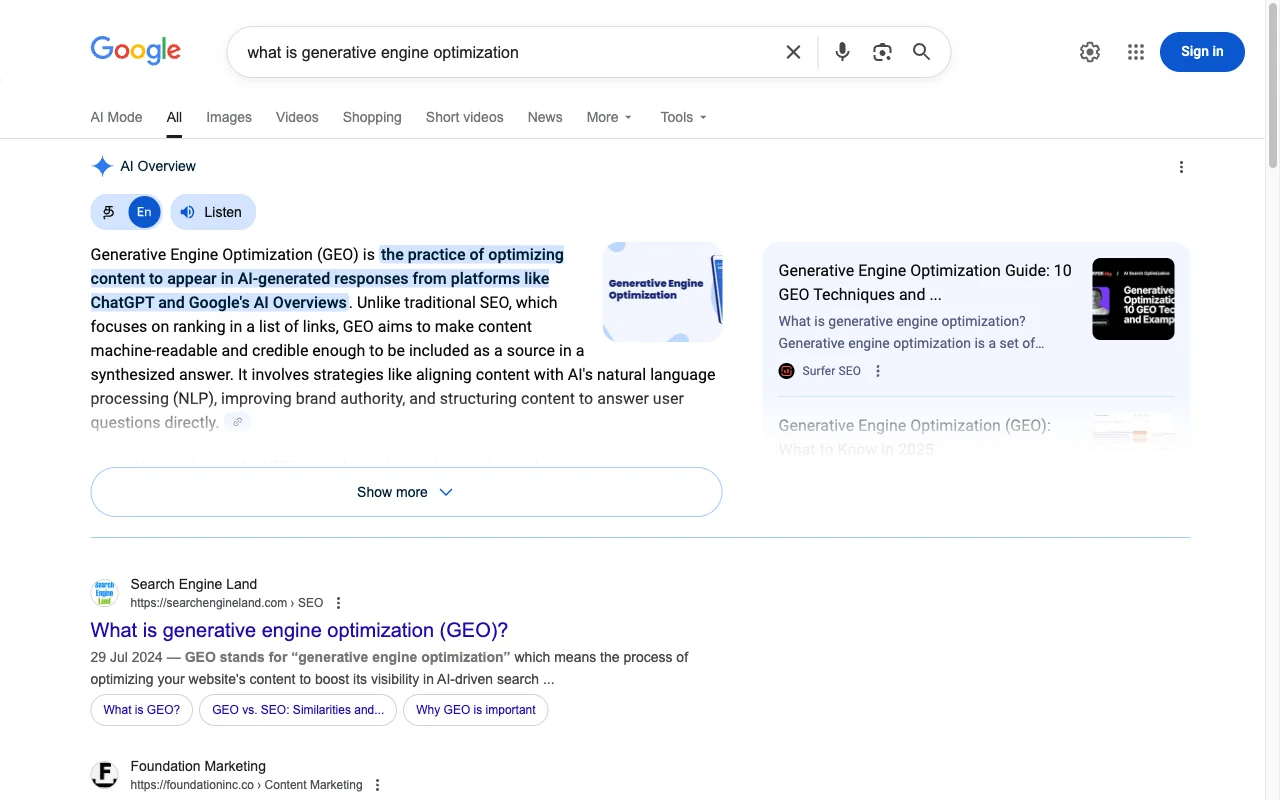
The irony:
Professionals who hoped Google would "fix" this now face AI search from Google itself, not just external competitors.
Google has 8.5 billion searches per day. When 47% of those show AI Overviews, that's 4+ billion daily AI-generated answers-more than ChatGPT and Perplexity combined.
Mistake #5: "Traffic Is Traffic" (The Metric Blindness)
The SEO industry obsessed over traffic volume. More traffic = better performance. Traffic decline = failure.
This mental model made the AI search shift feel catastrophic. Traffic is down 20-40%? Panic.
But the smart players discovered something:
NerdWallet's Revenue Grew 37%
...despite a 20% traffic decline.
AI-referred traffic converts at 4.4x higher rates. Quality beats quantity.
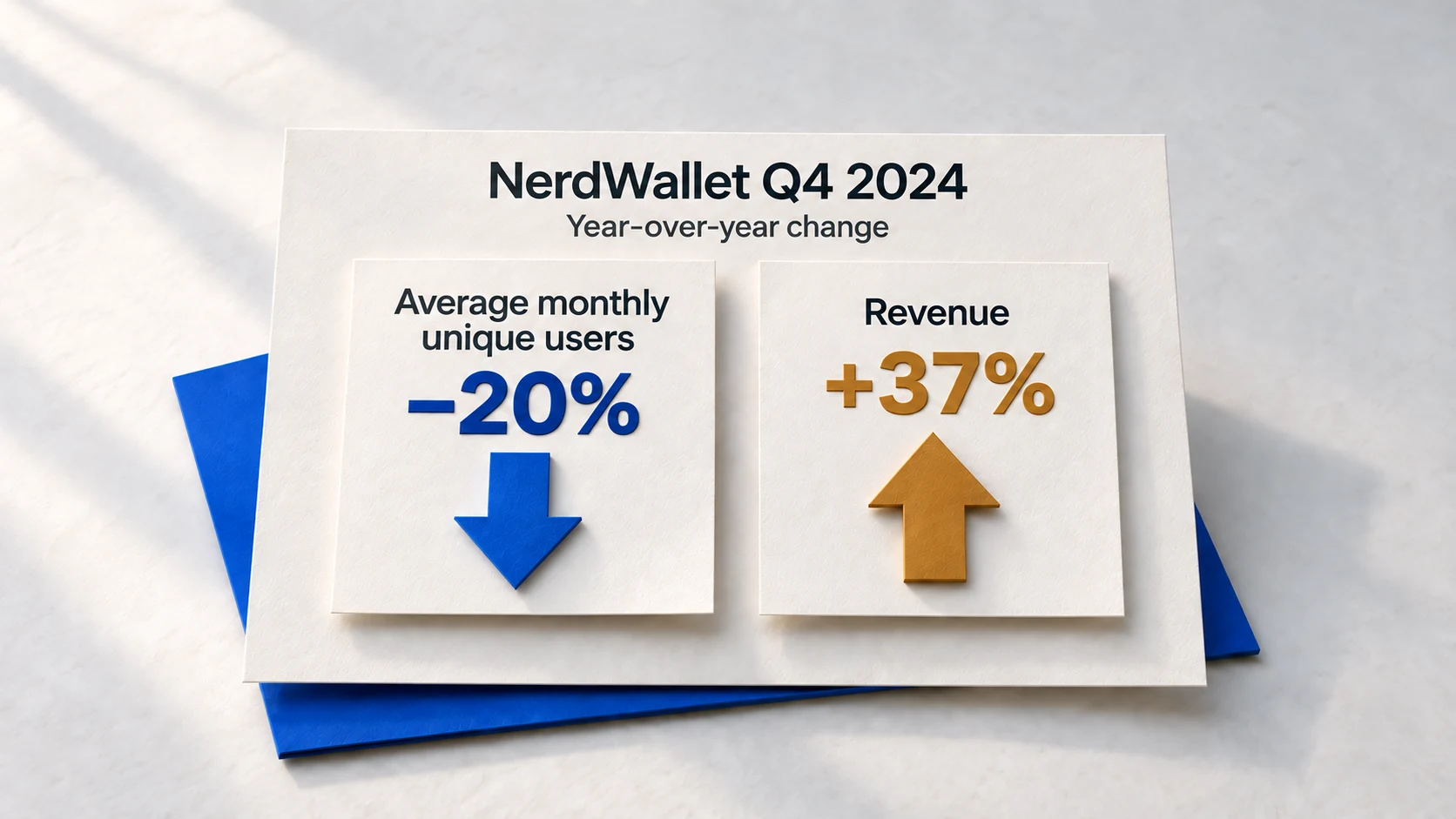
The traffic obsession blinded the industry to what mattered: business outcomes. Fewer visitors who convert better can mean more revenue, not less.
Companies that adapted early focused on:
- → Getting cited (visibility even without clicks)
- → Conversion rate optimization (maximize the traffic they do get)
- → Brand building (AI mentions build awareness)
What the Industry Should Have Done
Looking back, the right response to ChatGPT's launch was:
1. Take It Seriously Immediately
Not "wait and see." The adoption curve was obvious by January 2023.
2. Experiment Early
Start testing what makes content citeable. Build institutional knowledge before competitors.
3. Reframe Metrics
Add AI citations, brand mentions, and conversion quality to success metrics-not just traffic.
4. Invest in Entity Building
Entity establishment takes months. Starting early would have paid dividends now.
The companies that did this in 2023 are now established in AI citations. Those starting in late 2025 are playing catch-up.
It's Not Too Late-But the Window Is Narrowing
If you're reading this and realizing you fell into some of these traps, you're not alone. The majority of the SEO industry made the same mistakes. The question now isn't about blame-it's about speed of adaptation.
The good news:
- • AI search is still early-we're in the first innings, not the ninth
- • Most competitors haven't adapted either, so the field is still open
- • The learning curve is steep but climbable in 3-6 months
- • Your existing SEO foundation gives you 60% of what you need
The bad news: every month you wait, the early adopters build more citation authority, more entity strength, and more institutional knowledge. The gap compounds.
The SEO professionals who are thriving today aren't the ones who predicted AI search earliest. They're the ones who moved fastest once the writing was on the wall. They admitted the old playbook wasn't sufficient, invested in learning the 40% that's new, and started experimenting before they had all the answers.
The lesson from these five mistakes isn't "SEO professionals are bad at predicting." It's that denial is expensive-and the best time to adapt was 2023, but the second best time is right now.
FAQ
What was the biggest mistake the SEO industry made about AI search?
Do SEO skills transfer to AI search optimization?
Is it too late to adapt to AI search?
Don't Repeat These Mistakes
The AI search shift is still early. There's time to adapt-but not unlimited time.
Find out where you stand in 60 seconds.
Take the GEO Readiness Quiz →60 seconds · Personalized report · Free
Continue Learning
Dive deeper into AI search with these related articles:
The AI Search Revolution: Why 2025 Changes Everything for SEO
Google predicts 25% less search traffic by 2026. Here's what's actually happening and how to prepare your content for the AI-first era.
Google AI Overviews: Nearly Half of Searches Now Show AI Answers
Google AI Overviews now appear at the top of most searches. Learn what they are, how they work, and why they're changing how people find information.
10 Statistics That Prove AI Search Is Here to Stay (2025 Data)
Hard data on AI search adoption: from 527% traffic increases to 25% search decline predictions. The numbers don't lie.