GEO & AI Search
How ChatGPT Decides What to Cite (And What to Ignore)
Quick Answer
ChatGPT decides what to cite based on source authority, content relevance, information structure, and presence in its data sources (training data + Bing for real-time browsing). There's no guaranteed way to get cited, but you can significantly improve your chances.
You ask ChatGPT: "What's the best CRM for small businesses?"
It responds with recommendations and cites several sources.
But why those sources? Why not yours?
Understanding how ChatGPT decides what to cite is the first step to getting your content cited. Let me break down the mechanics.
Where Does ChatGPT Get Its Information?
ChatGPT has two main sources of information:
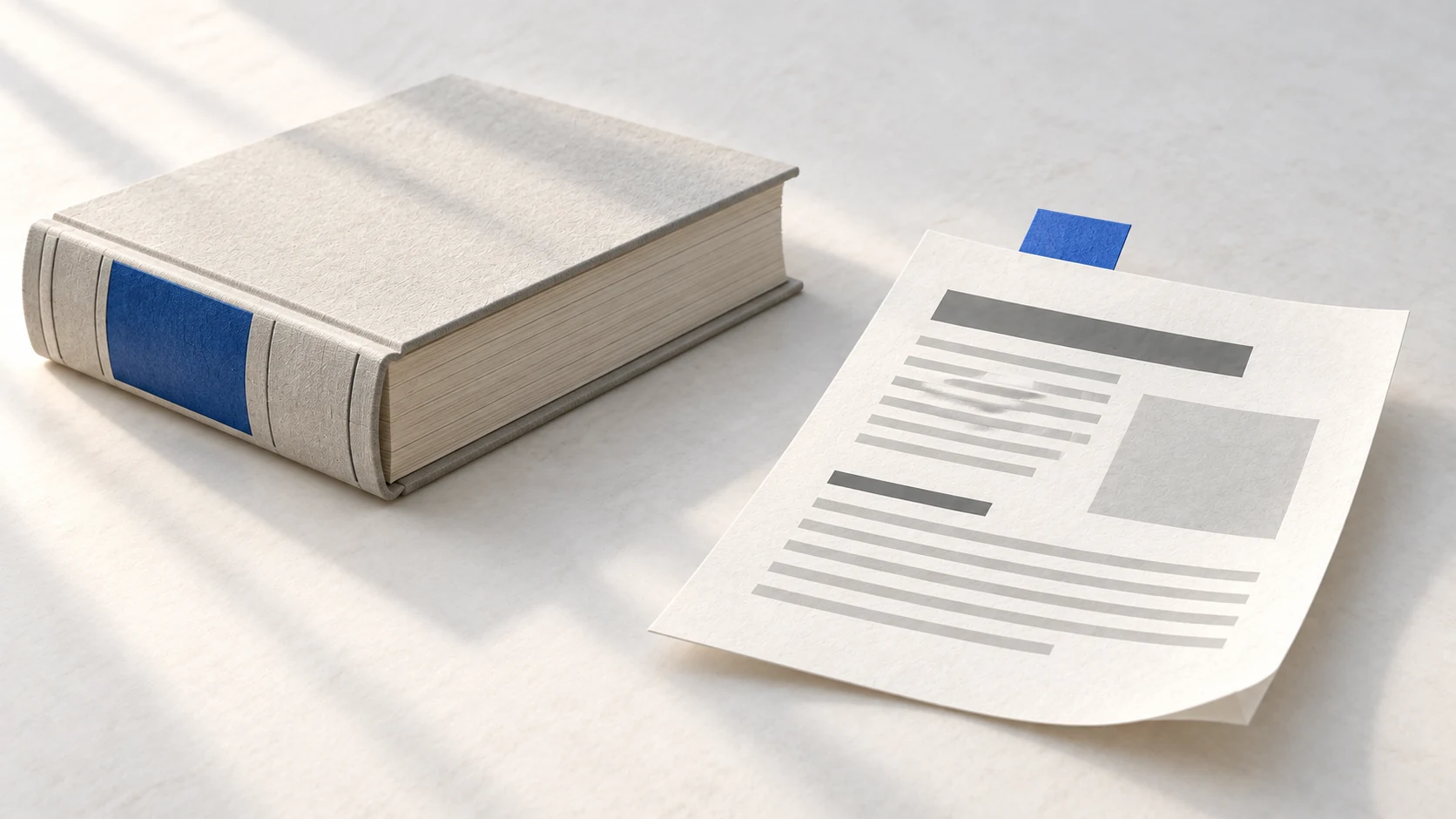
Training Data
Information from the web that was used to train the model. This has a "knowledge cutoff" date.
- • Static-doesn't update in real-time
- • Includes content from millions of websites
- • Weighted by perceived authority
Real-Time Browsing
When enabled, ChatGPT can search the web in real-time using Bing's search index.
- • Live, current information
- • Uses Bing, not Google
- • Results shown with citations
Key insight: ChatGPT uses Bing, not Google, for real-time searches. If you're optimizing for ChatGPT citations, your Bing rankings matter more than you might think.
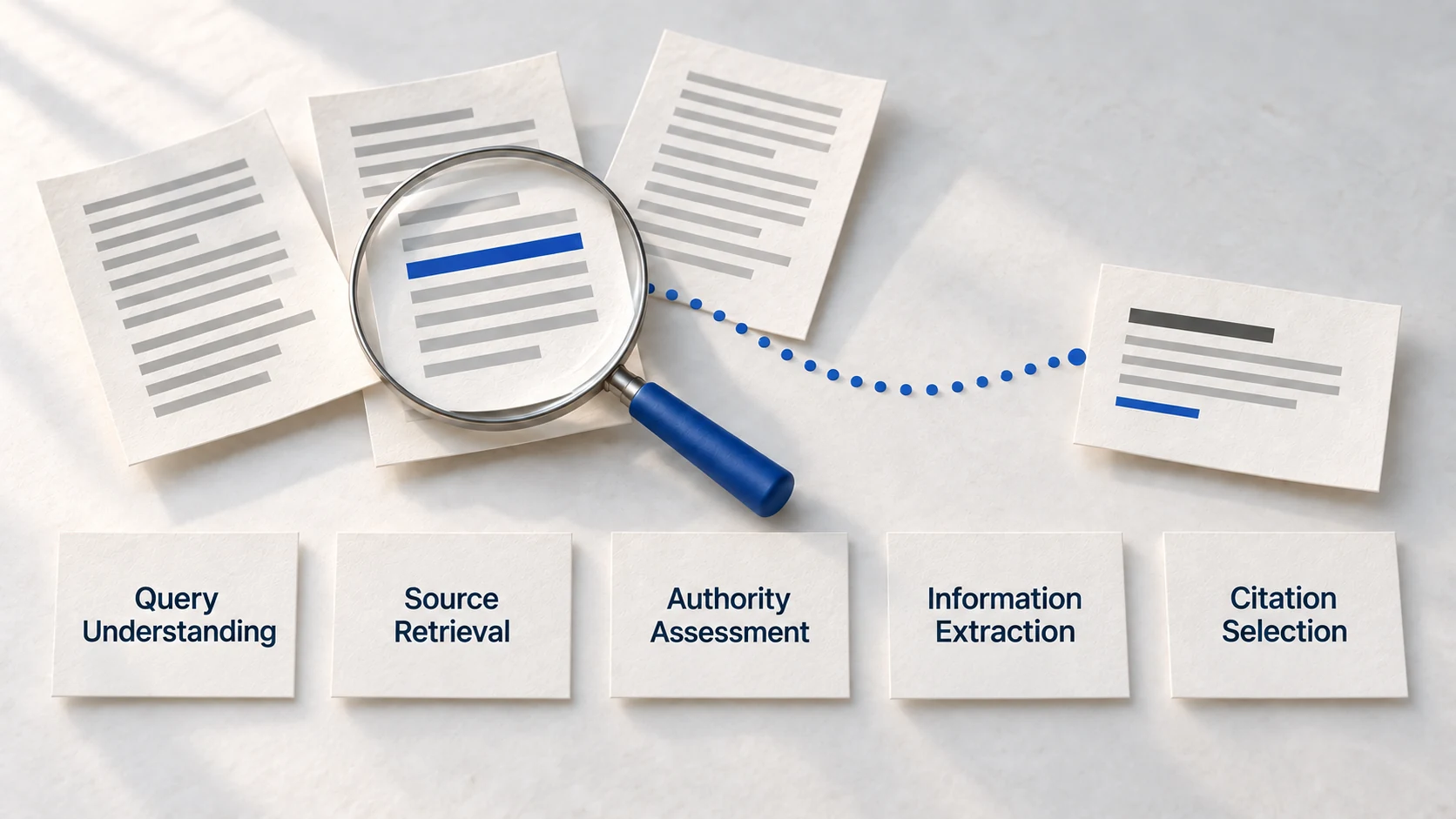
How ChatGPT Decides What to Cite
ChatGPT's Citation Decision Flow
- 1
Query Understanding
What is the user actually asking?
- 2
Source Retrieval
Pull from training data and/or search Bing
- 3
Authority Assessment
Which sources are credible for this topic?
- 4
Information Extraction
What specific info answers the question?
- 5
Citation Selection
Which sources provided the cited info?
Let's break down each step:
Step 1: Query Understanding
ChatGPT first determines the intent behind the question. "Best CRM" is interpreted as a recommendation request, not a definition query.
This affects which sources are considered relevant.
Step 2: Source Retrieval
ChatGPT checks its training data and, if browsing is enabled, searches Bing for current results.
Important: 76% of AI citations come from pages ranking in the top 10. Search rankings still matter-they're just Bing rankings, not necessarily Google rankings.
Step 3: Authority Assessment
This is where E-E-A-T signals matter most. ChatGPT evaluates:
- • Is this source known for this topic?
- • Do other credible sources reference this one?
- • Does the author have demonstrated expertise?
- • Is the information consistent with other trusted sources?
Step 4: Information Extraction
ChatGPT extracts specific information to answer the query. This is where content structure matters.
Content that's clearly structured with direct answers is easier to extract and more likely to be cited.
Step 5: Citation Selection
Finally, ChatGPT attaches citations to the information it used. Sources that contributed substantive, verifiable information get cited.
Generic or vague content rarely gets cited, even if it ranks well.
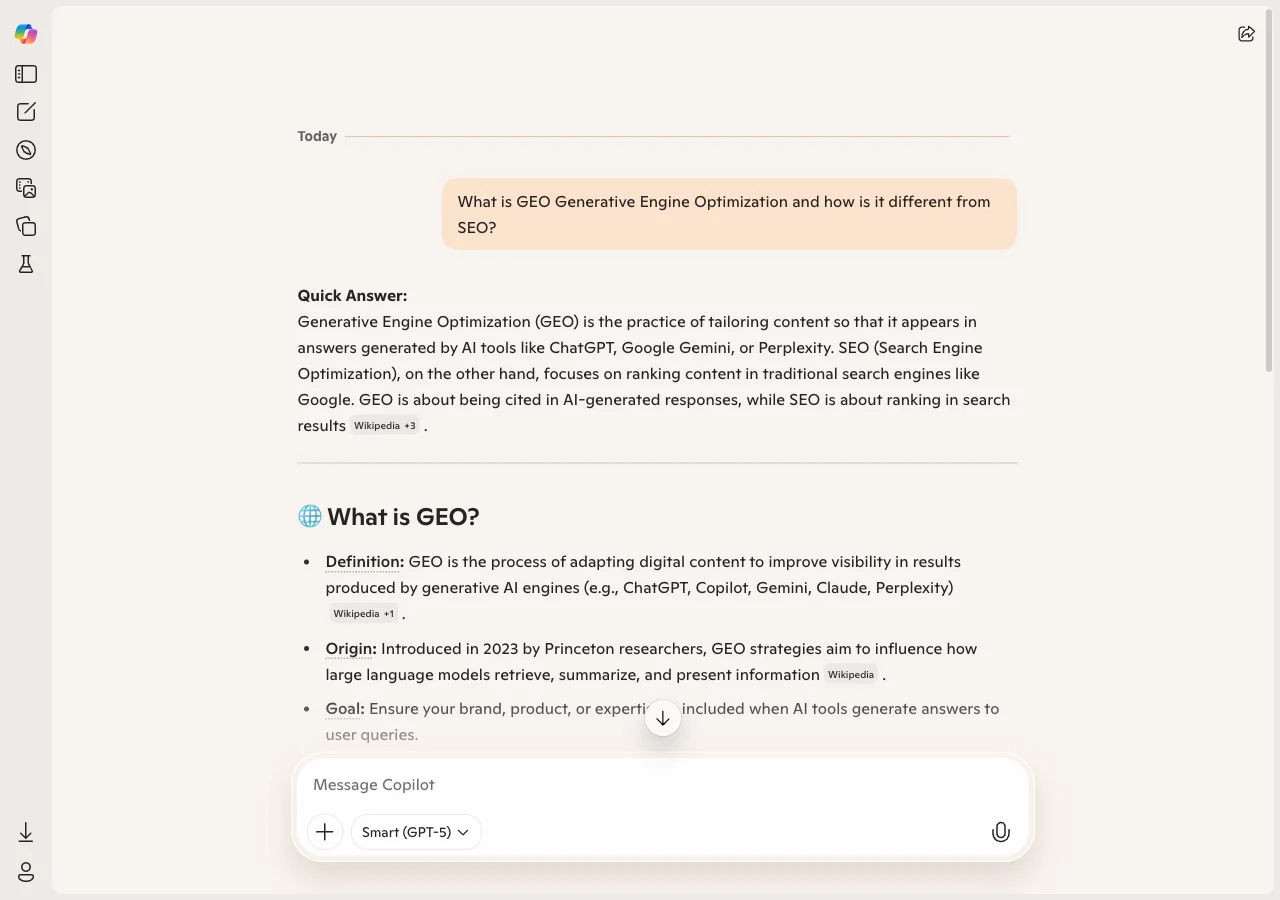
How Citations Appear in AI Responses
Here's a real example of Microsoft Copilot citing sources inline. Notice the numbered references linking to original sources:
What Makes Content "Citable"?
Based on analyzing citation patterns, here's what makes content more likely to be cited:
✓ Highly Citable
- • Specific data points with sources
- • Direct answers to common questions
- • Expert credentials clearly displayed
- • Clear, extractable statements
- • Original research or unique insights
- • Well-structured with clear headings
✗ Rarely Cited
- • Generic overview content
- • No author or credentials shown
- • Answers buried in long paragraphs
- • No data or sources referenced
- • Vague or non-committal statements
- • Walls of text without structure
Definition
Citable Content
Content that makes specific, verifiable claims from a source AI engines recognize as authoritative. It's not about being the best content-it's about being content AI can confidently recommend.
The pattern:
ChatGPT cites content that makes claims it can verify and attribute, from sources it recognizes as authoritative.
Why Wikipedia Dominates AI Citations
Wikipedia appears in nearly 48% of ChatGPT's top references. Why?
Case Study: Wikipedia
Wikipedia dominates AI citations because it:
- 1. Has clear entity structure - Every article is about a specific, well-defined topic
- 2. Cites its own sources - Claims are backed by references
- 3. Uses consistent formatting - Information is easy to extract
- 4. Is widely cross-referenced - Other sources link to and mention Wikipedia
- 5. Covers topics comprehensively - Answers multiple related questions
You don't need to be Wikipedia. But you can learn from what makes it citable: clear structure, cited sources, comprehensive coverage, and recognizable authority.
5 Ways to Improve Your Citation Chances
1. Establish Your Entity
Make sure AI "knows" who you are. Create a comprehensive entity home page, maintain consistent information across platforms, and build Wikipedia-style structured data about your brand.
2. Structure for Extraction
Put key answers in the first 2-3 sentences. Use clear headings. Make it easy for AI to pull a direct quote that answers a question.
3. Back Claims with Sources
When you cite your own sources, AI is more likely to trust and cite you. Data-backed content outperforms opinion content.
4. Build Bing Visibility
Since ChatGPT uses Bing, make sure you're indexed and ranking there. Submit to Bing Webmaster Tools. Don't assume Google SEO covers you.
Data point (Seer Interactive, 2026)
87% of SearchGPT citations match Bing's top-ranked pages. The Bing index is essentially the citation pool for ChatGPT's web browsing mode-if you rank there, you're in the running.
5. Get Mentioned by Citable Sources
AI trusts sources that other trusted sources reference. If you're mentioned by sites ChatGPT already cites, you're more likely to be cited yourself.
What About Perplexity, Claude, and Gemini?
ChatGPT isn't the only AI tool people use. Here's how citation works across platforms:
Perplexity
Uses multiple search engines and always shows citations. Very source-transparent. Structured content performs well here.
Claude
Relies more on training data than real-time search. Getting into high-authority sources that feed training data matters more.
Gemini
Google's AI, uses Google's search index. If you rank well on Google, you have an advantage with Gemini citations.
Google AI Overviews
Part of Google Search. Strong correlation between traditional rankings and AI Overview citations.
Bottom line: The fundamentals-authority, structure, relevance-matter across all AI tools. The specific search engine varies, but the citation logic is similar.
FAQ
How does ChatGPT decide which sources to cite?
Does ChatGPT use Google rankings to decide what to cite?
Can I guarantee my site will be cited by ChatGPT?
Is Your Content Citation-Ready?
Understanding how ChatGPT cites is step one. Find out how ready your content is for AI visibility.
I've built a system to help brands go from invisible to cited in AI responses. But before I share it with you, I want you to see exactly where you stand.
Take the GEO Readiness Quiz →60 seconds · Personalized report · Free
Continue Learning
Dive deeper into AI search with these related articles:
How ChatGPT, Claude, and Perplexity Actually Find and Cite Content
Each AI platform works differently. Learn the mechanics behind how ChatGPT, Claude, and Perplexity discover and cite your content.
Perplexity vs ChatGPT: Different Engines, Different Optimization
Perplexity cites Reddit 46.7% of the time. ChatGPT cites Wikipedia 47.9%. Learn platform-specific strategies.
Google AI Overviews: What Gets Featured and Why
AI Overviews appear in 15-16% of all searches—but 80% of cited sources don't rank in the top 3.