AI SEO Course · Image & Video Optimization · Notes
Notes: Image & Video Optimization
 Arun Nagarathanam · 10 Jul 2026 Notes · 24 of 54 in this course
 An exclusive resource for students of Arun's AI SEO Course.
In This Section, You Will Master:
- Why image optimization is a critical factor for page speed, user engagement, and traffic from Google Images.
- The correct way to write descriptive Alt Text for both accessibility and SEO.
- Best practices for naming your image files to provide clear context to search engines.
- How to dramatically reduce image file size using modern formats like WebP and proper compression techniques.
- The SEO benefits of embedding relevant videos to increase user engagement and dwell time.
- The basics of Video SEO to help your own videos get discovered on YouTube and Google.
How to Use These Notes:
These notes are your efficient companion to the video lectures.
- Focus on the
Key Takeawaysto solidify the core concepts. - When you see
Actionable ItemsorApplied Learning, it's your cue to put theory into practice. - For conceptual lectures, use the
Food for Thoughtto think more deeply about the 'why'.
The Growth Payoff:
Mastering visual content SEO makes your website faster, more engaging, and more discoverable.
This leads to a better user experience, which Google rewards with higher rankings.
It also opens up a new traffic stream from Google Image Search, allowing more people to find and connect with your brand.
Image & Video Optimization
More Than Decoration! (Why You MUST Optimize Images for SEO)
Key Takeaways
- 01The images on your website are not just decoration; they are crucial assets for your overall SEO success.
- 02Properly optimizing your images is essential for four massive reasons:
- Page Speed: Huge, unoptimized images are often the single biggest cause of a slow-loading website. Slow sites frustrate users and are disliked by Google.
- User Engagement: Relevant, high-quality images grab attention and keep people on your page longer, which is a powerful positive signal to Google.
- Image Search Traffic: People use Google Images constantly. Optimized images can rank in image search results, bringing you an extra source of targeted traffic.
- Context: Images provide extra clues to Google, helping it better understand what your page is about and reinforcing your topic's relevance.
Image & Video Optimization
Describe Your Images (Alt Text for Accessibility & SEO)
Key Takeaways
- 01How does Google or a visually impaired person using a screen reader know what's in your image? The answer is Alt Text.
- 02Alt text is a short, written description of an image that you add to the image's code. It serves two vital purposes:
- Accessibility: This is its primary job. Screen readers read the alt text aloud, allowing visually impaired users to understand the image's content and making the web usable for everyone.
- SEO: Search engine crawlers can't "see" images, so they rely heavily on alt text to understand an image's content and its relevance to the surrounding text.
Actionable Items
Writing Good Alt Text
- Be Descriptive, Yet Concise: Clearly and briefly describe what is in the image. Think: "How would I describe this to someone over the phone?"
- Include Keywords Naturally: If your target keyword is genuinely relevant to the image (e.g., the image is a "blue widget" and your keyword is "blue widget"), then include it.
- Do NOT Keyword Stuff: Never force keywords where they don't belong. This is bad practice.
Alt Text: Bad vs. Good
| Example | Alt Text |
|---|---|
| Bad Example | alt="image seo keyword buy now cheap" |
| Good Example | alt="Smiling woman holding a blue widget" |
Image & Video Optimization
Naming Your Images (Simple File Name Best Practices)
Key Takeaways
- 01Using generic, default file names like
IMG_5872.JPGis a missed SEO opportunity. - 02The actual file name you give an image before you upload it provides another important clue to Google about the image's content.
Actionable Items
Naming Your Image Files
- Be Descriptive: Use file names that accurately describe the image and include relevant keywords.
- Use Hyphens: Separate words with hyphens, not underscores or spaces.
- Keep it Clear: Aim for short and easy-to-understand file names.
File Naming: Instead of vs. Use
| Example | File Name |
|---|---|
| Instead of | DSC00567.jpg |
| Use | blue-stainless-steel-widget.jpg |
Image & Video Optimization
Making Videos Work for SEO (Embedding & Optimization)
Key Takeaways
- 01Embedding relevant videos directly into your content is a powerful way to boost user engagement.
Why embed videos?
- They explain complex topics visually and add variety to your page.
- They significantly increase Dwell Time (how long a user stays on your page), which is a strong positive signal to Google.
Best Practice: Don't upload large video files directly to your website server. Instead, upload them to a platform like YouTube or Vimeo and use their "embed code" to display the video on your page.
Video SEO: To help your videos get discovered in search, you must optimize them on their host platform (like YouTube).
- Compelling Title: Grab attention and include your main keyword.
- Detailed Description: Explain what the video is about, using keywords naturally and adding helpful links.
- Relevant Tags: Add keywords and topics that describe your video to help YouTube categorize it.
Well-optimized YouTube videos have a much better chance of appearing in Google's main search results, driving more traffic.
Image & Video Optimization
Quick Tips! (Finding Videos & Using Canva)
Key Takeaways
- 01You don't always have to create your own videos. Embedding a relevant, high-quality video made by someone else can still boost engagement.
- To find videos: Simply search on YouTube using keywords that are directly related to your page's topic. Look for a high-quality, credible video, grab the embed code under the "Share" button, and paste it into your page editor.
You also don't need to be a professional designer to create great images.
A user-friendly tool like Canva makes it easy to handle essential image tasks. You can use its free version to:
- Resize images to the exact dimensions you need.
- Add text overlays and captions.
- Create simple graphics for your site or social media using templates.
- Export images in web-friendly formats like JPG and PNG.
Where This Leads
- We've now covered how to optimize all the content on our pages, from text to images and video. But what about building authority beyond our own website? It's time to venture into the world of Off-Page SEO.


Keep building
More from Aruntastic
Practical courses for people who want to build useful things with AI.

AI SEO Course 2026: From Zero to Page-One Results
Research search demand, structure useful pages, and work through technical and off-page SEO.
Open the course →
AEO, GEO, AI SEO: Get Cited by ChatGPT, Google, Perplexity
Study how AI search finds information, and make your pages clear enough to be cited.
Open the course →
Microsoft PowerPoint Presentation 2026 for Professionals
Learn visual hierarchy, slide composition, typography and animation through practical work.
Open the course →
AI Leadership: Gen AI for Leaders, A Practical Toolkit
A short course on using generative AI as a co-pilot, written for senior leaders.
Open the course →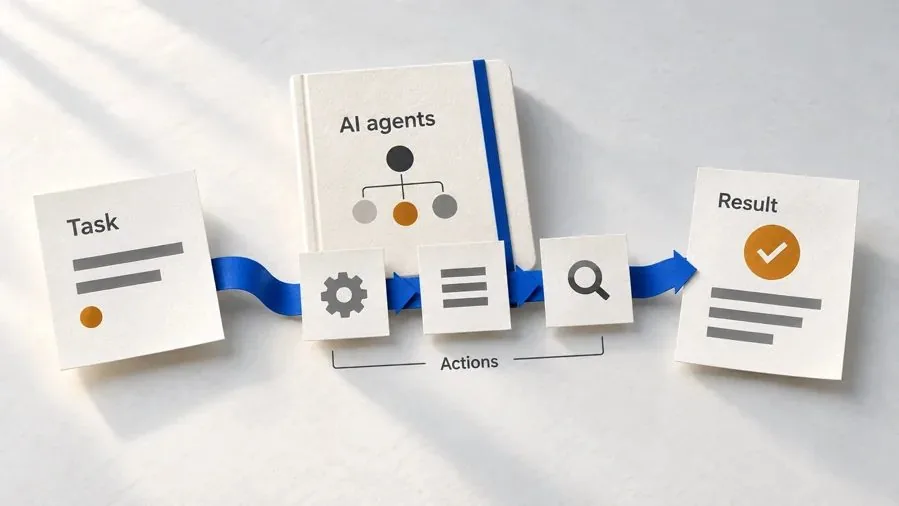
Agentic AI Explained: How AI Agents Actually Work
Coming soon. Follow real agent work, then learn how models, tools, memory and checks fit together.
Join the waitlist →Toolkits and programme
Go deeper
Toolkit
SEO Accelerator Toolkit
150+ copy-paste AI prompts for audience research, keywords, content, technical SEO and link building.
Toolkit
GEO Accelerator Toolkit
100 detailed AI prompts for GEO audits, entity building, content structure and client reporting.

Programme
GEO Authority Accelerator
A complete GEO programme on our learner platform: nine modules and a 30, 60, 90 day roadmap. The GEO Accelerator Toolkit is included.
Claude certification practice
Preparing for a Claude certification?
Practice exams written by Arun: 600 questions across 4 mock exams and 2 drill banks. Unofficial preparation, not affiliated with Anthropic.
 CCAR-F
 CCAO-F
 CCDV-F
 CCAR-P
See Where You Stand
This resource is one piece of a much bigger system.
Take the free GEO Readiness Quiz to see exactly where your business stands with AI search engines today.
Take the GEO Readiness Quiz 60 seconds · Personalized report · Free