AI SEO Course · Creating High-Quality Content
Notes: Creating High-Quality Content
 Arun Nagarathanam · 10 Jul 2026 Notes · 18 of 54 in this course
 An exclusive resource for students of Arun's AI SEO Course.
In This Section, You Will Master:
- The #1 rule of modern content creation: writing for your audience first.
- How to align your content with Google's "Helpful Content" system.
- The art of providing real value and depth to become the best answer for a query.
- How to format your content for online scannability to keep readers engaged.
- The vital concept of E-E-A-T and practical ways to demonstrate your experience and build trust.
- Using AI as a powerful partner for content planning, outlining, and drafting.
How to Use These Notes:
These notes are your efficient companion to the video lectures.
- Focus on the
Key Takeawaysto solidify the core concepts. - When you see
Actionable ItemsorApplied Learning, it's your cue to put theory into practice. - For conceptual lectures, use the
Food for Thoughtto think more deeply about the 'why'.
The Growth Payoff:
This section teaches you how to create content that doesn't just rank, it engages and converts. By focusing on quality and user satisfaction, you build a sustainable SEO strategy that is resilient to algorithm updates and creates a loyal audience for your brand.
Creating High-Quality Content
The #1 Rule! (Write for Your Audience, Not Just Google)
Key Takeaways
- 01Let's start with the golden rule you must never forget: Write for your audience first. Always.
- 02Google's ultimate goal is to satisfy the person doing the search. If your content doesn't help a real human, no amount of technical optimization will save it in the long run.
- 03Content written only for search engines often feels robotic and unnatural. Readers can tell, and they won't stick around.
- 04The paradox of modern SEO is this: by focusing intensely on serving your human audience with real value, you actually end up doing better SEO. Happy users send all the positive signals Google wants to see.
Creating High-Quality Content
Helpful Content Explained (What Google Rewards Today)
Key Takeaways
- 01That #1 rule isn't just a guideline; it's now a core part of Google's ranking algorithm called the Helpful Content system.
- 02This system is designed specifically to promote content created for people and demote content created just to rank in search engines.
- 03What does Google consider "helpful"?
- It demonstrates first-hand experience or deep knowledge (E-E-A-T).
- It thoroughly and accurately addresses the user's query.
- It's written in natural language for humans, not stuffed with keywords.
Food for Thought
- Google is actively asking, "Did this page actually help the person who clicked on it?" If you can honestly answer "yes" to this question for every piece of content you create, you are perfectly aligning your strategy with what Google is rewarding right now.
Creating High-Quality Content
Know Your 'Why' (Define Your Audience for Each Content Piece)
Key Takeaways
- 01Writing for your "audience" is a great start, but we need to get more specific.
- 02Different pieces of content often target different needs and different search intents.
- 03Someone searching "what is aquascaping?" (informational) needs a very different page than someone searching "buy aquascaping tools online" (transactional).
- 04Before you create any page, you must define its precise audience and purpose. Ask yourself:
- Who exactly am I trying to reach with this page? A beginner? An expert?
- What specific question am I answering or problem am I solving?
- What is the primary search intent I am trying to match?
Creating High-Quality Content
Be the Best Answer! (Providing Value & Depth in Your Content)
Key Takeaways
- 01In today's competitive landscape, just answering the question often isn't enough. You need to strive to be the best possible answer.
- 02This means going beyond the surface to provide real value, genuine depth, and true comprehensiveness.
- 03The best answer doesn't just address the query; it anticipates follow-up questions and provides unique value (like first-hand experience, original data, or better examples).
- 04Your goal is to leave the reader feeling completely satisfied, with no need to hit the back button to search again. This is a powerful positive signal to Google.
Creating High-Quality Content
Don't Scare Readers Away! (Formatting for Online Scannability)
Key Takeaways
- 01You can create the most valuable content in the world, but if it looks like a giant, intimidating wall of text, people will leave.
- 02People don't read online; they scan. Your job is to make your content inviting and easy to skim.
Actionable Items
- Use Short Paragraphs: Keep most paragraphs to just 1-3 sentences. This creates crucial breathing room.
- Leverage Headings: Use H2s and H3s as signposts to guide the reader's eye.
- Use Bullet Points & Numbered Lists: They are super easy to scan and digest quickly (just like this list!).
- Use Bold Text Strategically: Bolding key terms helps draw the eye to important information.
- Include Visuals: Images, charts, and videos break up the text beautifully and can often explain concepts more effectively than words alone.
Creating High-Quality Content
Quick Tip! AI for Content Planning & Refinement
Applied Learning
Using AI as a Content Planner
- Your Input: Your core topic idea (e.g., "aquarium filters for beginners").
- Your Task: Use a series of prompts (as detailed in the course resources) to ask an AI tool like Gemini to act as your strategic planner.
- First, ask it to define the likely audience, their pain points, and the search intent for your topic.
- Next, ask it to brainstorm related subtopics you should include to make your guide comprehensive (to be the "best answer").
- Finally, you can even give it a dense paragraph of your writing and ask it to reformat it for better online scannability.
- Expected Output: You will have a clear profile of your target audience, a list of subtopics to include for depth, and even help with formatting. This allows the AI to handle the initial structural planning, freeing you up to focus on adding your unique expertise and voice.
Creating High-Quality Content
Weaving in Keywords, Avoid This Penalty!
Key Takeaways
- 01So how do you get your keywords into your content? The modern approach is all about using them naturally and contextually.
- 02Your keywords should simply appear as part of the natural flow of conversation. If a sentence sounds awkward because you forced a keyword in, rewrite it!
- 03What to Avoid at all costs: Keyword Stuffing. This is the old, outdated practice of loading a webpage with keywords in an attempt to manipulate rankings.
- 04Keyword stuffing creates a terrible user experience and is a direct violation of Google's guidelines. It can lead to your page or your entire site getting a ranking penalty. Don't do it.
Creating High-Quality Content
Where to Place Keywords? (Strategic Placement Without Overdoing It)
Key Takeaways
- 01While we don't stuff keywords, there are logical places where your primary keyword naturally belongs. Think of these as key signposts for Google and users.
- 02Key Placement Areas:
- Page Title (Title Tag): Prime real estate. Your main keyword should almost always be here.
- Main Heading (H1 Tag): Your single H1 should clearly state the page's topic, which naturally includes your keyword.
- Subheadings (H2s, H3s): Great spots to use variations of your keyword or related terms.
- Introduction: Mentioning your topic and keyword in the first paragraph helps set the stage.
- Image Alt Text: If the keyword genuinely describes the image, include it.
Pro Tip
- The goal isn't to check every box every time. The goal is to prioritize a natural, user-friendly flow. If placing a keyword feels forced, don't do it.
Creating High-Quality Content
Quick Tip! AI for Natural Keyword Integration
Applied Learning
Using AI as a Keyword Assistant
- Your Input: Your draft content and a list of your target keywords.
- Your Task: Use a series of prompts (available in your course resources) to ask an AI tool for help.
- Find Opportunities: Ask the AI to read your article and suggest specific sentences where your keywords could be naturally integrated.
- Refine Phrasing: If you have an awkward sentence, ask the AI to rewrite it to include the keyword more smoothly.
- Check for Stuffing: Ask the AI to review your text and give you an opinion on whether your keyword usage feels natural or potentially forced.
- Expected Output: You'll receive specific, actionable suggestions for improving your keyword integration. Remember to always use your own ear and judgment as the final check, the text must sound natural to you and your audience.
Lecture 10
How Long Should Content Be? (Focus on Quality & Comprehensiveness!)
Key Takeaways
- 01Let's clear this up once and for all: There is absolutely no magic word count for SEO. None.
- 02Google doesn't rank pages based on length. It ranks them based on quality, comprehensiveness, and whether they fully answer the searcher's query.
- 03So, how long should your content be? It should be exactly as long as it needs to be to do the job properly, and no longer.
- 04A simple question deserves a short answer. A complex topic requires a long, in-depth guide. Don't chase arbitrary word counts, chase user satisfaction.
Lecture 11
Build Trust with E-E-A-T, Show, Don't Just Tell!
Key Takeaways
- 01Google looks at more than just the words on the page. It asks, "Can we trust the person who wrote this?" This is where E-E-A-T comes in.
- 02E-E-A-T stands for:
- Experience: Does the author have relevant, first-hand life experience with the topic?
- Expertise: Do they possess the necessary knowledge or skill in the field?
- Authoritativeness: Is the website or author recognized as a go-to source on this topic?
- Trustworthiness: Is the information accurate, honest, safe, and reliable?
- 03Why it's CRUCIAL: Demonstrating E-E-A-T is vital for all topics, but it is absolutely essential for what Google calls "Your Money or Your Life" (YMYL) topics, subjects that could impact a person's health, safety, or financial stability (e.g., medical advice, financial planning).
Actionable Items: How to Demonstrate E-E-A-T
- Showcase Authorship: Don't publish anonymous content. Use clear author names with detailed bios that highlight their credentials and experience.
- Cite Your Sources: Link out to authoritative studies and reputable websites to back up your claims.
- Leverage Social Proof: Feature user reviews, testimonials, and case studies. They are massive trust signals.
- Provide Clear Contact Info: Make it easy for users to contact you. A clear address, phone number, and email shows you're a legitimate entity.
- Display Credentials & Awards: If you have certifications or industry awards, display those badges proudly.
- Ensure Website Security (HTTPS): The padlock in the browser bar is a basic but essential trust factor.
Lecture 12
Keep it Current! (Why Content Freshness & Updates Matter)
Key Takeaways
- 01Great content can have an expiration date. Information changes, stats become outdated, and tools evolve.
- 02Regularly updating your key content is crucial for:
- Accuracy & Trust: Outdated information erodes trust fast.
- Relevance: It keeps your content aligned with what users are searching for now.
- Competitive Advantage: If your content becomes stale while your competitors' stays fresh, they are more likely to outrank you.
Actionable Items
- Don't just publish and forget. Build content updates into your regular workflow.
- Schedule time quarterly or annually to review your most important pages.
- Look for outdated stats, broken links, or opportunities to add new insights and examples. Even small updates can make a big difference.
Lecture 13
Modern Content Strategy (Beyond Just 'Skyscraper' Posts)
Key Takeaways
- 01Modern content strategy is less about creating one-off, long "skyscraper" articles and more about building an interconnected network of expertise.
- 02The Topic Cluster Model: This is a key modern strategy.
- You create a main, comprehensive "pillar" page about a broad subject (e.g., "Aquarium Fish Care").
- Then, you create multiple "cluster" pages that dive deep into specific subtopics (e.g., "Betta Fish Care," "Goldfish Feeding").
- You then link all the cluster pages to the pillar page, and the pillar page links out to the clusters.
- 03This structure proves to Google that you have deep knowledge about an entire topic area, building your topical authority.
Lecture 14
Quick Tip! (Using AI to Generate Content Outlines Faster)
Applied Learning
AI-Powered Outlining
- Your Input: A clear topic for a blog post or guide (e.g., "Aquarium Filters for Beginners") and a basic understanding of the key points you want to cover.
- Your Task: Use a detailed prompt (available in your course resources) to ask an AI tool like Gemini to generate a logical content outline for you, complete with suggested H1, H2, and H3 headings.
- Expected Output: The AI will provide a solid starting point for your article's structure. This is fantastic for overcoming the "blank page" hurdle. Remember to treat it as a draft, you must then refine it, reorder sections, and inject your own unique value and expertise.
Lecture 15
Quick Win: Drafting Quality Content Faster with AI
Key Takeaways
- 01Can AI write a perfect, publish-ready article? No.
- 02But can it generate a solid first draft by incorporating the principles of quality, tone, and structure, saving you hours of writing time? You bet it can!
- 03The key to getting a useful draft is giving the AI rich context. The better your instructions, the better the output.
Applied Learning
AI-Powered Drafting
- Your Input: A comprehensive, detailed prompt that includes your topic, goal, target audience, desired tone, target keywords, your refined outline, and formatting preferences.
- Your Task: Feed this rich prompt into an AI tool like Gemini to generate a first draft of your article.
- Reference the Prompt: The detailed prompt structure for this task is available in your downloadable course resources.
- Expected Output: You will receive a solid first draft that follows your instructions. This is your starting point. The essential human refinement, fact-checking, adding your unique E-E-A-T, and polishing the language, begins now. This combination of AI acceleration and dedicated human refinement is the key to creating high-quality content faster.


Keep building
More from Aruntastic
Practical courses for people who want to build useful things with AI.

AI SEO Course 2026: From Zero to Page-One Results
Research search demand, structure useful pages, and work through technical and off-page SEO.
Open the course →
AEO, GEO, AI SEO: Get Cited by ChatGPT, Google, Perplexity
Study how AI search finds information, and make your pages clear enough to be cited.
Open the course →
Microsoft PowerPoint Presentation 2026 for Professionals
Learn visual hierarchy, slide composition, typography and animation through practical work.
Open the course →
AI Leadership: Gen AI for Leaders, A Practical Toolkit
A short course on using generative AI as a co-pilot, written for senior leaders.
Open the course →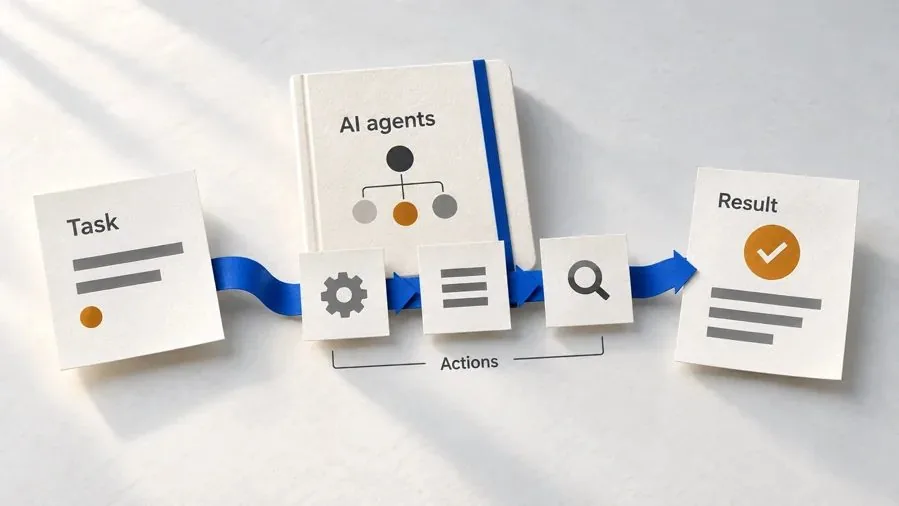
Agentic AI Explained: How AI Agents Actually Work
Coming soon. Follow real agent work, then learn how models, tools, memory and checks fit together.
Join the waitlist →Toolkits and programme
Go deeper

Toolkit
SEO Accelerator Toolkit
150+ copy-paste AI prompts for audience research, keywords, content, technical SEO and link building.

Toolkit
GEO Accelerator Toolkit
100 detailed AI prompts for GEO audits, entity building, content structure and client reporting.

Programme
GEO Authority Accelerator
A complete GEO programme on our learner platform: nine modules and a 30, 60, 90 day roadmap. The GEO Accelerator Toolkit is included.
Claude certification practice
Preparing for a Claude certification?
Practice exams written by Arun: 600 questions across 4 mock exams and 2 drill banks. Unofficial preparation, not affiliated with Anthropic.
 CCAR-F
 CCAO-F
 CCDV-F
 CCAR-P
See Where You Stand
This resource is one piece of a much bigger system.
Take the free GEO Readiness Quiz to see exactly where your business stands with AI search engines today.
Take the GEO Readiness Quiz 60 seconds · Personalized report · Free