AI SEO Course · Choosing & Using Keywords
Choosing & Using Keywords
 Arun Nagarathanam · 10 Jul 2026 Guide · 11 of 54 in this course
 An exclusive resource for students of Arun's AI SEO Course.
Lecture 64
Quick Tip! (Using AI to Group Related Keywords Thematically)
Prompt Name: Thematic Keyword Clustering
Prompt:
Please group these keywords into relevant thematic clusters based on topic.
Purpose: To have AI analyze a list of keywords and automatically group them into logical, themed clusters, making it easier to see core topics and plan content clusters.
Prerequisites: Paste your list of keywords into the prompt.
Prompt Name: Intent-Based Keyword Clustering
Prompt:
Group these keywords by likely user intent like informational, commercial, or transactional.
Purpose: To have AI organize a keyword list based on the likely search intent behind each term, which helps in understanding intent patterns and planning the right type of content.
Prerequisites: Paste your list of keywords into the prompt.
Prompt Name: Organize Keywords into Table like structure (Keyword Mapping)
Prompt:
I am attaching several CSV files, each containing keyword data from an SEO tool. My goal is to create a structured content plan for a blog.

**Please note:** Do *not* use any programming code (like Python) for this analysis, but you can use it to read and understand the contents. Perform the grouping and categorization using your AI knowledge directly, as using code might affect the accuracy of the thematic clustering and content plan.

Please follow these steps:

1. **Consolidate and Clean Keywords:**
    - Read all keywords from the attached CSV files.
    - Remove any exact duplicate keywords.
2. **Categorize Keywords by Intent:**
    - For each keyword, classify its `Intent` as one of the following. This helps us understand what the user wants:
        - **Transactional:** The user intends to buy something (e.g., keywords like 'buy', 'price', 'for sale', 'shop', 'order', 'where to get').
        - **Commercial:** The user is researching before buying (e.g., keywords like 'best', 'review', 'compare', 'types of', 'cost', 'top 10').
        - **Informational:** The user is looking for general information (e.g., keywords like 'how to', 'what is', 'guide', 'why', 'meaning', 'tutorial').
3. **Group into Thematic Clusters:**
    - Organize related keywords into logical "Thematic Clusters" or broad topics that a website might cover. Think about the main subjects these keywords relate to (e.g., 'Product Reviews', 'Care Guides', 'DIY Projects').
4. **Create a Prioritized Content Plan:**
    - Present the final results in a clear table format.
    - **Prioritize the content:** First, list all keywords with `Transactional` intent, then `Commercial` intent, and finally `Informational` intent. This helps target the most profitable content first.
    - Within each `Intent` section, further group the keywords by their "Thematic Cluster."
5. **Table Structure:**
    - For each "Thematic Cluster" within an intent, create a table with the following columns. **Each individual keyword must occupy its own separate row in the table.**
        - `Blog Post Title`: Suggest a clear, specific title for a blog post that covers these keywords.
        - `Intent Focus`: The primary intent of the keywords in this blog post.
        - `Keyword`: The specific keyword itself.
        - `Search Volume`: The search volume for this exact keyword (get this value directly from the 'Search Volume' column in your attached CSV files).
        - `SEO Difficulty`: The SEO difficulty score for this exact keyword (get this value directly from the 'SEO Difficulty' column in your attached CSV files).
    - **Important:** Ensure that *all* `Search Volume` and `SEO Difficulty` values are taken directly from the data in the CSV files you are given. Do not make up or assume these values.

This organized table will help me easily identify:

- The main overall topics for my website.
- Specific blog post ideas for each topic.
- Which exact keywords (along with their search metrics) to target for each blog post.

Please make sure the final output is easy to read and understand at a glance, even for someone new to SEO and AI tools.Lecture 67
Quick Check (Spotting Potential Cannibalization Issues on Your Site)
Tool/Technique: Google Search Operator
Command:
site:yourwebsite.com "your exact target keyword"
Purpose: To check for potential keyword cannibalization. This search shows all pages on your site that Google considers relevant for that specific keyword. If multiple distinct pages appear, it's a red flag.
Prerequisites: Replace yourwebsite.com with your domain and "your exact target keyword" with the keyword you are checking (keep the quotes).


Keep building
More from Aruntastic
Practical courses for people who want to build useful things with AI.

AI SEO Course 2026: From Zero to Page-One Results
Research search demand, structure useful pages, and work through technical and off-page SEO.
Open the course →
AEO, GEO, AI SEO: Get Cited by ChatGPT, Google, Perplexity
Study how AI search finds information, and make your pages clear enough to be cited.
Open the course →
Microsoft PowerPoint Presentation 2026 for Professionals
Learn visual hierarchy, slide composition, typography and animation through practical work.
Open the course →
AI Leadership: Gen AI for Leaders, A Practical Toolkit
A short course on using generative AI as a co-pilot, written for senior leaders.
Open the course →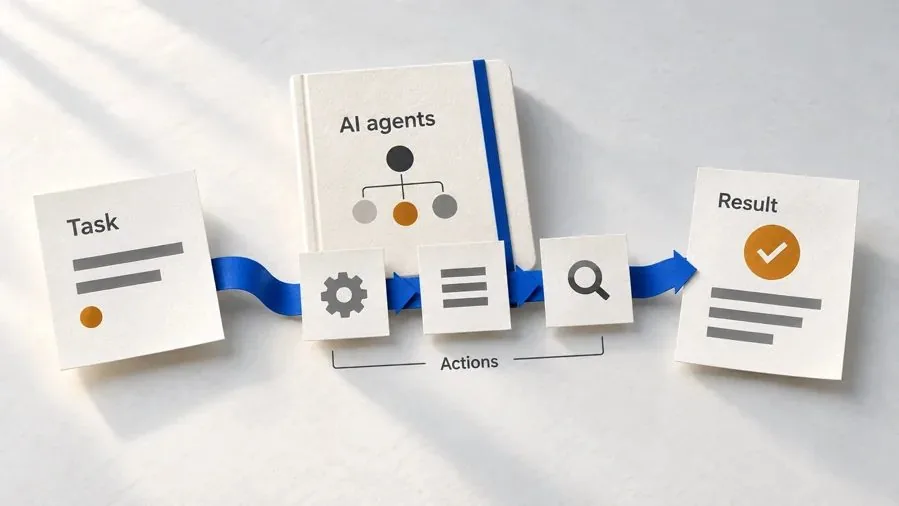
Agentic AI Explained: How AI Agents Actually Work
Coming soon. Follow real agent work, then learn how models, tools, memory and checks fit together.
Join the waitlist →Toolkits and programme
Go deeper

Toolkit
SEO Accelerator Toolkit
150+ copy-paste AI prompts for audience research, keywords, content, technical SEO and link building.

Toolkit
GEO Accelerator Toolkit
100 detailed AI prompts for GEO audits, entity building, content structure and client reporting.

Programme
GEO Authority Accelerator
A complete GEO programme on our learner platform: nine modules and a 30, 60, 90 day roadmap. The GEO Accelerator Toolkit is included.
Claude certification practice
Preparing for a Claude certification?
Practice exams written by Arun: 600 questions across 4 mock exams and 2 drill banks. Unofficial preparation, not affiliated with Anthropic.
 CCAR-F
 CCAO-F
 CCDV-F
 CCAR-P
See Where You Stand
This resource is one piece of a much bigger system.
Take the free GEO Readiness Quiz to see exactly where your business stands with AI search engines today.
Take the GEO Readiness Quiz 60 seconds · Personalized report · Free