AI PowerPoint Course · Craft Persuasive Slides (Build Credibility & Connect Emotionally)
Craft Persuasive Slides: Build Credibility & Connect
 Arun Nagarathanam · 10 Jul 2026 Notes · 8 of 16 in this course
 An exclusive resource for students of Arun's AI PowerPoint Course.
Your efficient companion to the Craft Persuasive Slides video lectures
Goal: This lab shifts your mindset from simply presenting information to telling a persuasive story. You'll build slides that are crucial for building connection and making a logical, emotional case for your ideas.
Craft Persuasive Slides (Build Credibility & Connect Emotionally)
The Introduction / 'About Me' Slide: Building Connection
Key Idea: The "About Me" slide isn't for you; it's for your audience. Its job is to answer their silent question: "Why should I listen to you?" by building trust and credibility (Ethos).
A Simple Formula for Your Content:
- 01Who You Are: Your name and title, big and bold.
- 02How You Help: A short bio framed around the value you provide to others. This is the secret to not sounding like you're bragging.
- 03The Proof: A few key achievements (specific, quantifiable) that provide concrete evidence of your expertise.
Craft Persuasive Slides (Build Credibility & Connect Emotionally)
The Team Introduction Slide: Showcasing Your People
Key Idea: A well-organized team slide sends a powerful subconscious message: "We are professional, organized, and you can trust us."
Core Principles:
- 01Symmetry and Order: Arrange team members in a perfectly balanced grid. Our brains love this structure because it feels stable and intentional.
- 02Similarity: Keep every element consistent. All photos should have the same style (e.g., circles), all names the same font, and all titles the same font. This creates a powerful sense of unity.
- 03Proximity: Group the photo, name, and title for each person tightly together to create distinct, self-contained units.
Craft Persuasive Slides (Build Credibility & Connect Emotionally)
The Objectives / Goals Slide: Setting Expectations
Key Idea: An Objectives slide is a contract with your audience that tells them what they will gain from your presentation. It gives them a reason to pay attention.
Core Principles:
- 01Rule of Three: Distill your goals down to the three most critical outcomes. This makes them complete and memorable.
- 02Von Restorff Effect: Make one objective visually different from the others (e.g., a different color, slightly larger). The one that stands out is the one most likely to be remembered.
- 03Audience-Centric Language: Use strong, active verbs (e.g., "Master the principles," not "I will talk about the principles"). Frame the goals around what the audience will achieve.
Craft Persuasive Slides (Build Credibility & Connect Emotionally)
The Problem Statement Slide: Defining the 'Why'
Key Idea: Before you can present a solution, you have to make your audience feel the problem. This slide's job is to create urgency and an emotional connection (Pathos).
Core Principles:
- 01Show, Don't Tell: Use a powerful, emotional image that visually represents the pain or frustration of the problem.
- 02Bold, Simple Headline: Use a single, massive, direct sentence to define the core issue. Make it the undeniable hero of the slide.
- 03Strategic Color: Use color psychology (e.g., red or a reddish-pink) to signal a warning or a negative outcome, reinforcing the emotion of the problem.
Craft Persuasive Slides (Build Credibility & Connect Emotionally)
The Solution Slide: Presenting the 'How'
Key Idea: Your solution slide must be clear, logical, and persuasive. It should feel like the perfect key for the lock you just described on the problem slide (Logos).
Core Principles:
- 01Rule of Three: Break your solution down into three core pillars or benefits. This makes a complex solution feel simple and memorable.
- 02Proximity & Similarity: Group the icon, title, and description for each pillar together. Format all three pillars identically so the audience understands they are equal parts of one solution.
- 03Dual Coding (Icons): Use simple, clean icons as visual shortcuts that help the audience process and remember each part of your solution faster.


Keep building
More from Aruntastic
Practical courses for people who want to build useful things with AI.

AI SEO Course 2026: From Zero to Page-One Results
Research search demand, structure useful pages, and work through technical and off-page SEO.
Open the course →
AEO, GEO, AI SEO: Get Cited by ChatGPT, Google, Perplexity
Study how AI search finds information, and make your pages clear enough to be cited.
Open the course →
Microsoft PowerPoint Presentation 2026 for Professionals
Learn visual hierarchy, slide composition, typography and animation through practical work.
Open the course →
AI Leadership: Gen AI for Leaders, A Practical Toolkit
A short course on using generative AI as a co-pilot, written for senior leaders.
Open the course →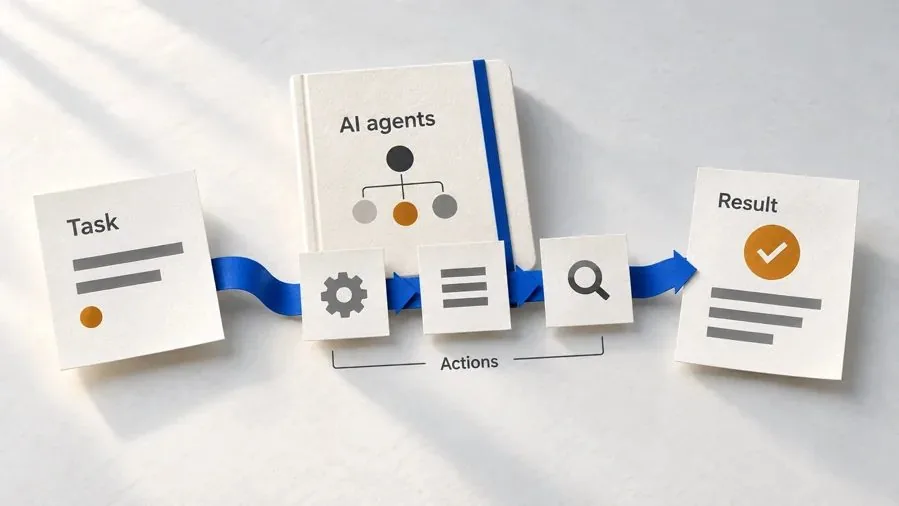
Agentic AI Explained: How AI Agents Actually Work
Coming soon. Follow real agent work, then learn how models, tools, memory and checks fit together.
Join the waitlist →Toolkits and programme
Go deeper

Toolkit
SEO Accelerator Toolkit
150+ copy-paste AI prompts for audience research, keywords, content, technical SEO and link building.
Toolkit
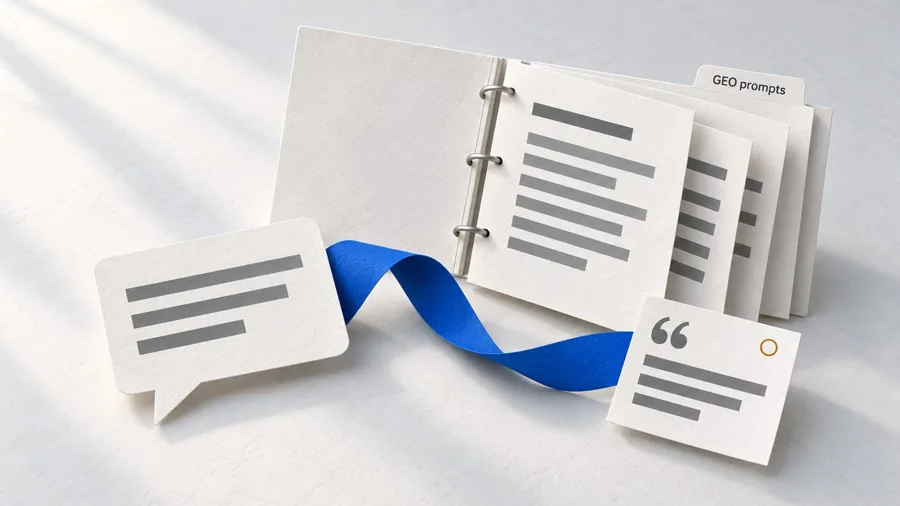
GEO Accelerator Toolkit
100 detailed AI prompts for GEO audits, entity building, content structure and client reporting.

Programme
GEO Authority Accelerator
A complete GEO programme on our learner platform: nine modules and a 30, 60, 90 day roadmap. The GEO Accelerator Toolkit is included.
Claude certification practice
Preparing for a Claude certification?
Practice exams written by Arun: 600 questions across 4 mock exams and 2 drill banks. Unofficial preparation, not affiliated with Anthropic.
 CCAR-F
 CCAO-F
 CCDV-F
 CCAR-P
See Where You Stand
This resource is one piece of a much bigger system.
Take the free GEO Readiness Quiz to see exactly where your business stands with AI search engines today.
Take the GEO Readiness Quiz 60 seconds · Personalized report · Free